
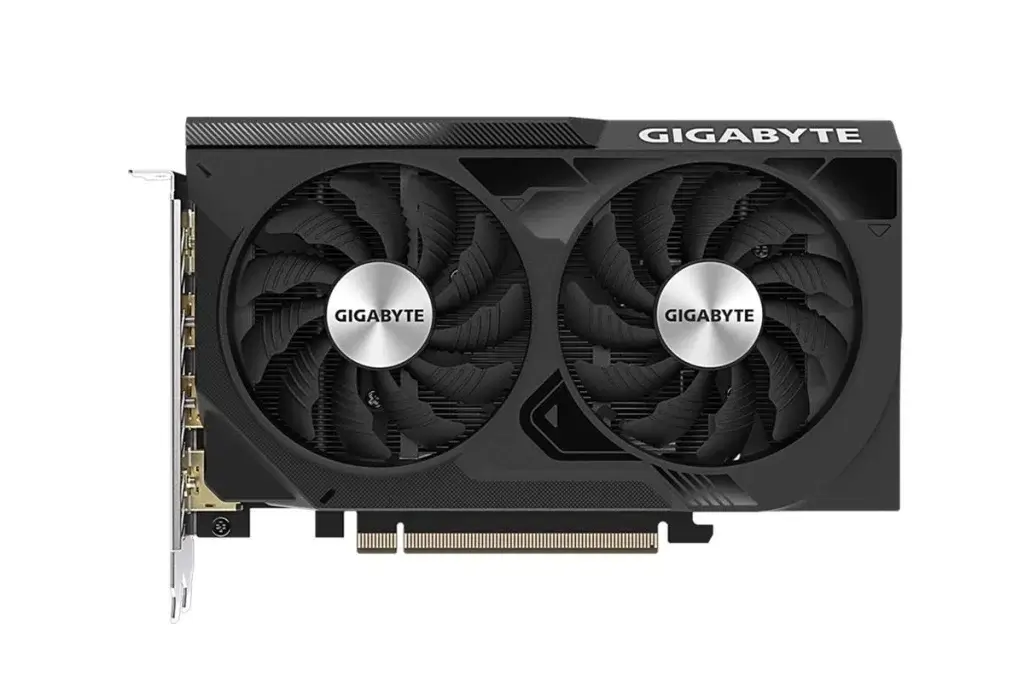

The gaming world is abuzz with anticipation for NVIDIA’s next-generation Blackwell GPUs, and among them, the NVIDIA GeForce RTX 5050 is garnering significant attention. Positioned as a crucial entry in the RTX 50 lineup, the RTX 5050 aims to redefine entry-level gaming with impressive performance for 1080p gaming on a budget. While NVIDIA hasn’t officially unveiled all the details, leaks and industry reports paint a compelling picture of what to expect from this highly awaited budget GPU.
Let’s dive into everything we know about the GeForce RTX 5050, from its core specifications and projected performance to its potential pricing and release date.
What We Know So Far: The RTX 5050 Overview
The GeForce RTX 5050 marks a significant return for NVIDIA to the “50-class” desktop GPU segment, a tier that was skipped in the previous Ada Lovelace generation (RTX 40 series for desktop). This new GPU is set to succeed the popular RTX 3050 on the desktop and the RTX 4050 in the laptop space. Its primary objective? To deliver smooth, immersive 1080p gaming experiences without breaking the bank.
Built on NVIDIA’s cutting-edge Blackwell architecture, the RTX 5050 is expected to leverage the GB207 GPU die (specifically the GB207-300-A1 variant), promising enhanced efficiency and capabilities over its predecessors.
Deep Dive into Specifications: Powering Your Gaming
Understanding the rumored RTX 5050 specifications is key to gauging its potential. Here’s a breakdown:
- Architecture & Die: As mentioned, it’s a Blackwell GPU utilizing the GB207-300-A1 die, manufactured on a 5 nm TSMC 4N FinFET process. This advanced process should bring notable power efficiency and performance gains.
- CUDA Cores: This is where things get interesting with recent leaks. While earlier reports for the desktop RTX 5050 suggested 2560 CUDA cores, very recent laptop RTX 5050 leaks (especially surrounding today’s expected launches in China) indicate 2048 CUDA cores. It’s plausible that the desktop and laptop variants might feature different core counts, or that earlier leaks for desktop were based on preliminary information. Both desktop and laptop models are expected to include 4th Gen Ray Tracing Cores and 5th Gen Tensor Cores for advanced rendering and AI features like DLSS.
- VRAM: The RTX 5050 is largely confirmed to feature 8 GB of VRAM. The memory type, however, has been a subject of debate. While some initial rumors hinted at GDDR7 memory, the more consistent and recent reports point towards 20 Gbps GDDR6 memory. This is a significant upgrade from the GDDR6 found in RTX 40 series cards and would provide roughly 320 GB/s of memory bandwidth over a 128-bit memory bus. For laptop variants, while GDDR7 rumors were stronger, GDDR6 at 20 Gbps seems increasingly likely across the board.
- TDP (Thermal Design Power): Initial estimates placed the RTX 5050’s TDP at around 130W. However, recent insights from shipping manifests suggest a lower TDP for the GB207 chip, potentially around 100W. This would make it quite power-efficient, particularly for the RTX 5050 laptop variant.
Performance Expectations: Smooth 1080p Gaming Ahead?
The GeForce RTX 5050 is explicitly designed for 1080p gaming. Early performance indications suggest it will be a substantial upgrade over the RTX 4050 (laptop) and RTX 3050 (desktop). Reports indicate that the laptop RTX 5050 could be around 11% faster than the RTX 4050 in OpenCL benchmarks.
While it’s expected to have fewer CUDA cores than the RTX 4060, the architectural improvements of Blackwell and potentially faster VRAM (even if GDDR6) should contribute to a performance level that might surprisingly approach the RTX 4060 in some scenarios. However, with 8 GB of VRAM, the card’s sweet spot will firmly remain at 1080p, offering a solid experience for modern titles at medium to high settings, especially leveraging NVIDIA’s DLSS technology.
Pricing & Value: Your Budget-Friendly Gaming Companion
One of the most appealing aspects of the NVIDIA GeForce RTX 5050 is its expected affordability. Market speculation places its MSRP in the $200-$250 range. This aggressive pricing aims to capture the budget GPU market, making Blackwell architecture and features like ray tracing more accessible to a wider audience. If the performance indeed lands closer to the RTX 4060’s level, the RTX 5050 could offer excellent value for money.
Release Date & Availability: When Can You Get Your Hands On It?
The wait for the RTX 5050 is drawing to a close, especially for laptop users!
- Laptop Variant: Today, June 24, 2025, marks the expected launch and availability of RTX 5050 laptops in China through various manufacturers like MECHREVO. This means global availability for these notebooks should follow swiftly.
- Desktop Variant: The desktop GeForce RTX 5050 is anticipated to launch slightly later, with a general release date expected in July 2025.
Given that GPU availability has been improving, consumers can hope for better stock levels post-launch, though retail pricing (especially for OC models) might fluctuate above MSRP initially.
The Verdict: A Promising New Entrant
The NVIDIA GeForce RTX 5050 is shaping up to be a compelling option for gamers seeking strong 1080p gaming performance without a premium price tag. With the benefits of the new Blackwell architecture, improved memory bandwidth, and the power of DLSS, it’s poised to become a go-to budget GPU for countless PC builders and laptop buyers. Keep an eye out for official announcements and reviews as we approach its anticipated launch, especially with RTX 5050 laptops making their debut today!
Focus Keywords: NVIDIA GeForce RTX 5050, RTX 5050, Blackwell GPU, entry-level gaming GPU, 1080p gaming, budget GPU, RTX 50 lineup, specifications, performance, pricing, release date, GDDR6, GDDR7, laptop GPU, desktop GPU.



Pingback: Leak: NVIDIA's RTX 5070 Ti SUPER Could Pack 24GB VRAM - TechTCP